
NDIS Budget Changes from 1 October 2026: What They Mean for You
From 1 October 2026, the NDIS is reducing overall spending on Social, Community and Civic Participation by about half, and on Improved Daily Living by about 10%. The changes apply when you get a new NDIS plan, not to your current plan.
At a glance
What's changing: two budget areas, Social, Community and Civic Participation, and Improved Daily Living (therapy).
When it reaches you: only when you get a new plan or a plan reassessment.
Quick check: look at the end date on your current plan. That's roughly when the changes could reach you.
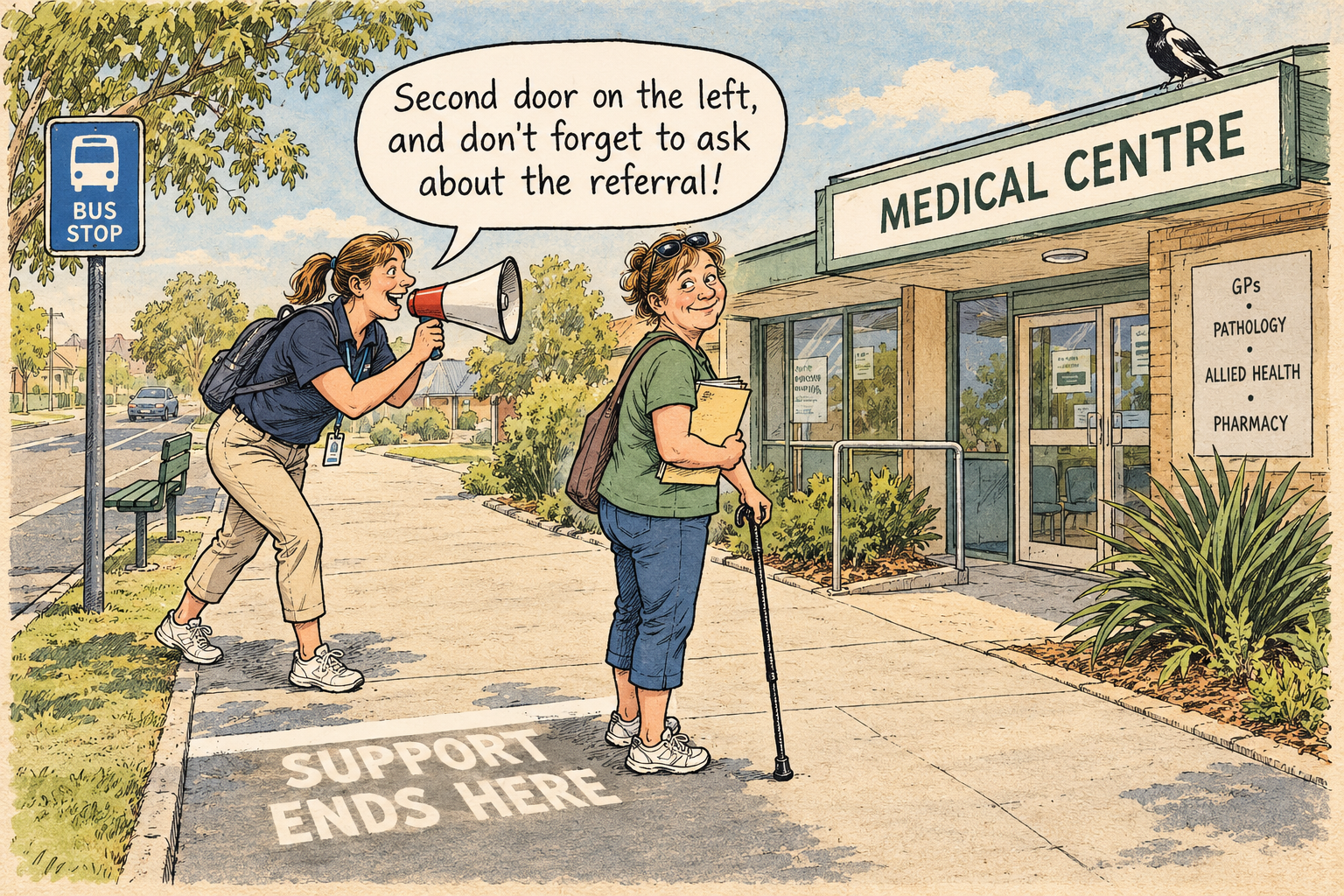
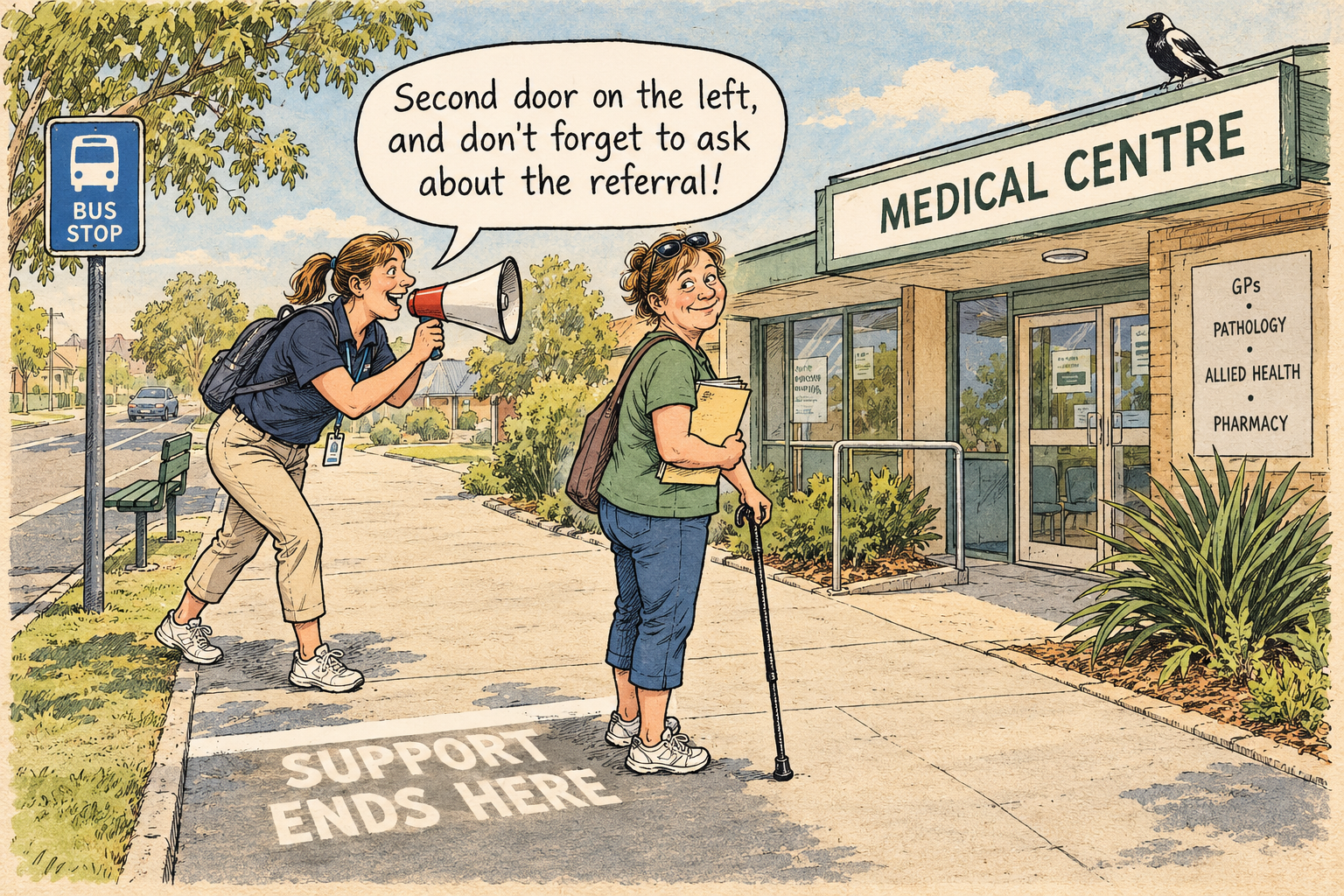
Which budgets are changing
Two budget areas are being reduced. Everything else in your NDIS plan stays the same.
Social, Community & Civic Participation (Core Supports): Support to go out, join group activities, attend appointments, go grocery shopping and more.
Therapy Supports (Improved Daily Living): Therapy and training to build skills, such as Occupational Therapy, Speech Therapy and Psychology.
The government says the aim is to bring spending in these areas back to around 2023 levels, and describes this as a reset rather than a one off cut. The impact will be different for everyone, because every plan is built around your own goals and needs. Two people with the same budget today may see different amounts in their next plan.
When it affects your NDIS plan
Your current plan does not change overnight. The new amounts only apply when you get a new plan.
From 1 October 2026: the changes apply to new plans and plan reassessments only. Plan extensions (also called continuations) are not included.
From 1 February 2027: plan extensions will end and be replaced by plan renewals, which are new plans. From this date, every plan issued will be a new plan.
This means the changes will reach people at different times over the next year or so, depending on when their plan is due.
A quick way to check is to look at the end date on your current plan. If your plan ends after 1 February 2027 and is not reassessed before then, your budgets will stay the same until your plan ends.
What to do with your current plan
Keep using your current funding as planned. Your budgets have not changed, and the supports in your plan are there to help you now.
Don't cut back early. Reducing your supports now will not protect your funding later. Using your supports as planned also shows the NDIA what you need day to day.
Don't try to use up your funding faster. Unspent funding does not carry over to your next plan, and booking extra supports you don't need will not increase your next budget.
Keep track of how your supports help. Notes on what you do with your supports, and what changes because of them, can become useful evidence for your next plan.
What is not changing
These supports are not part of the cut:
Everyday personal care: help with eating, dressing, showering, toileting and medication
Cleaning and help around the home
Supported Independent Living (SIL) and Specialist Disability Accommodation (SDA)
Home modifications and mobility equipment
Customised and wearable assistive technology
Hearing services
Employment supports
Disability related health supports, such as nursing care
High intensity supports and complex behaviour support
What you can do
Get ready before your plan is due. Good evidence matters more than ever. Ask your therapists for up to date reports that clearly link each support to your goals and your disability. Start this a few months before your plan end date.
You cannot appeal the cut itself. The NDIA has said this change is not a reviewable decision. A review request about the cut on its own will not be accepted.
You can ask for your plan to be reassessed if your support needs have changed. This includes big changes to:
your daily activities or what you can do for yourself
where you live or who you live with
school, study or work
the support you receive from family and friends
Keep in mind that a reassessment from 1 October 2026 will produce a new plan under the new amounts. Talk to your Support Coordinator before asking for one. To learn how the reassessment process now works, read Plan Reassessments Have Changed: What You Need to Know.
There is a pathway for people with very high support needs. If you have 24 hour funded support and your relevant budgets add up to $215,030 or more, you can ask for a plan variation.
References:
Information current as at 8 October 2026. This article is general information only and is not advice about your own plan.
You Might Also Like
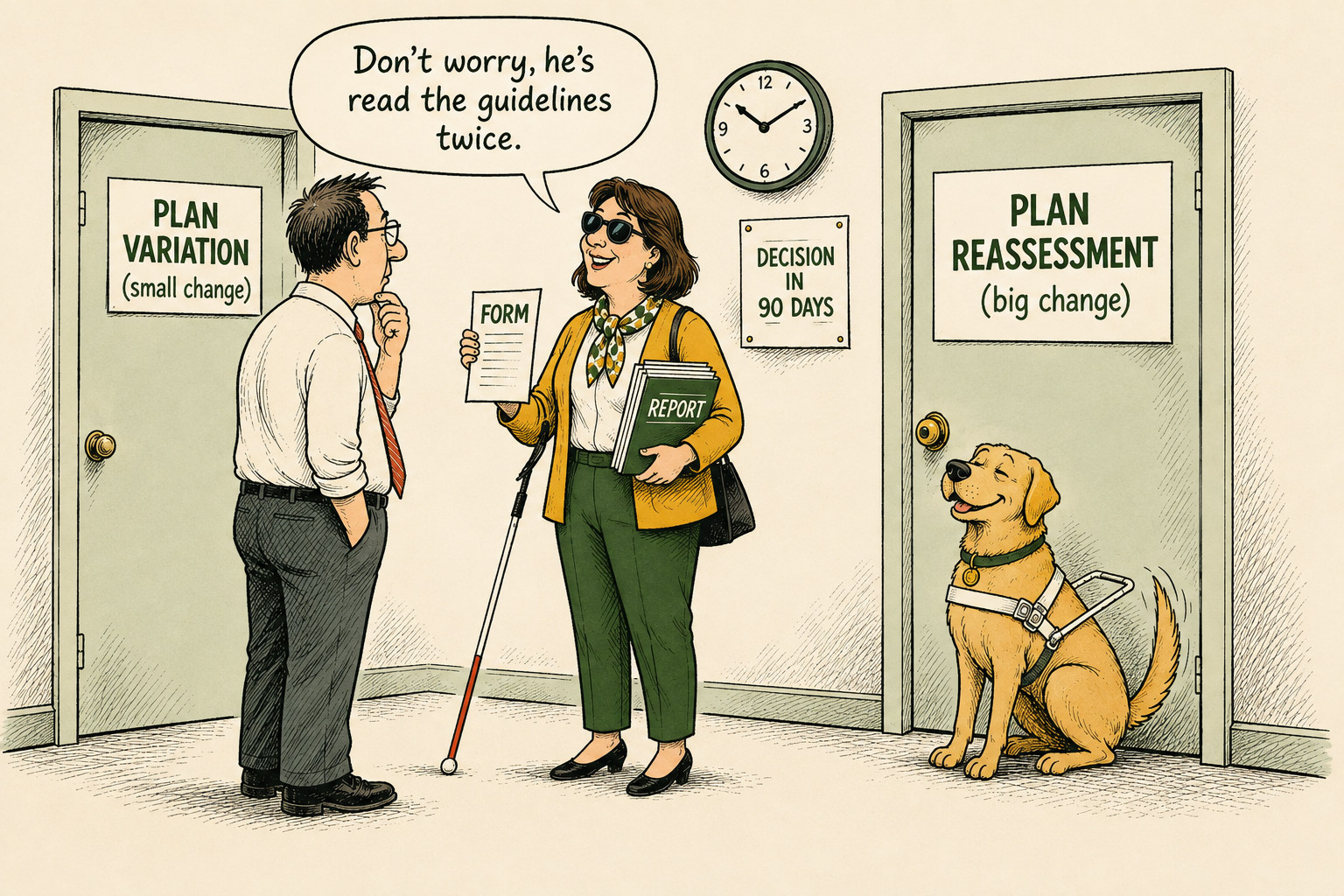

From 1 December 2026, every NDIS support must be claimed within 90 days of delivery. If a provider invoices you three months late, the claim may not be paid. Here’s what’s changing and five things to do now.